The dynamic between Sarah and Robert was not defined by a single conflict or misunderstanding. It was shaped over time by patterns—patterns of perception, accusation, withdrawal, and return.
Robert consistently understood himself as different from others. More capable. More insightful. More aware. He saw himself as someone ahead of the curve—setting standards rather than adapting to them. This sense of exceptionality became central to how he interpreted both himself and the relationship.
Sarah did not openly contest this posture. Instead, she learned—slowly—that her voice did not carry equal weight.
A Relationship of Interpretation, Not Curiosity
When Sarah spoke, her words were rarely met with openness. Instead of curiosity, she encountered evaluation. Instead of dialogue, judgment. Her actions were frequently assigned meaning she did not recognize in herself. Neutral behavior was interpreted as intentional. Ordinary independence was recast as provocation or pride.
Over time, Sarah realized she was no longer being listened to—she was being interpreted.
False attributions accumulated. Her motives were questioned. Her character was scrutinized. Innocence required defense, and defense was treated as evidence of guilt.
This was not accountability.
It was destabilization.
Withdrawal as a Response to Being Overwritten
Each time Sarah attempted to clarify and was met with accusation rather than understanding, she pulled back. Not in anger. Not to punish. But because remaining engaged required her to accept a version of herself that was not true.
Her distancing was not abandonment.
It was self-preservation.
Silence was not chosen to control—it emerged when speaking no longer felt safe or effective. Distance became the only place where her reality could remain intact.
Yet this withdrawal was repeatedly misnamed.
How Self-Protection Was Reframed as Sin
Rather than recognizing Sarah’s distance as a response to false attribution, Robert reframed it as moral failure. Her need for space was described as running away, ignoring, being unforgiving, or withholding connection.
The pattern was consistent: her response was judged, while the behavior that provoked it remained unexamined.
In this system, impact was dismissed and intent was assigned.
Charm Without Change
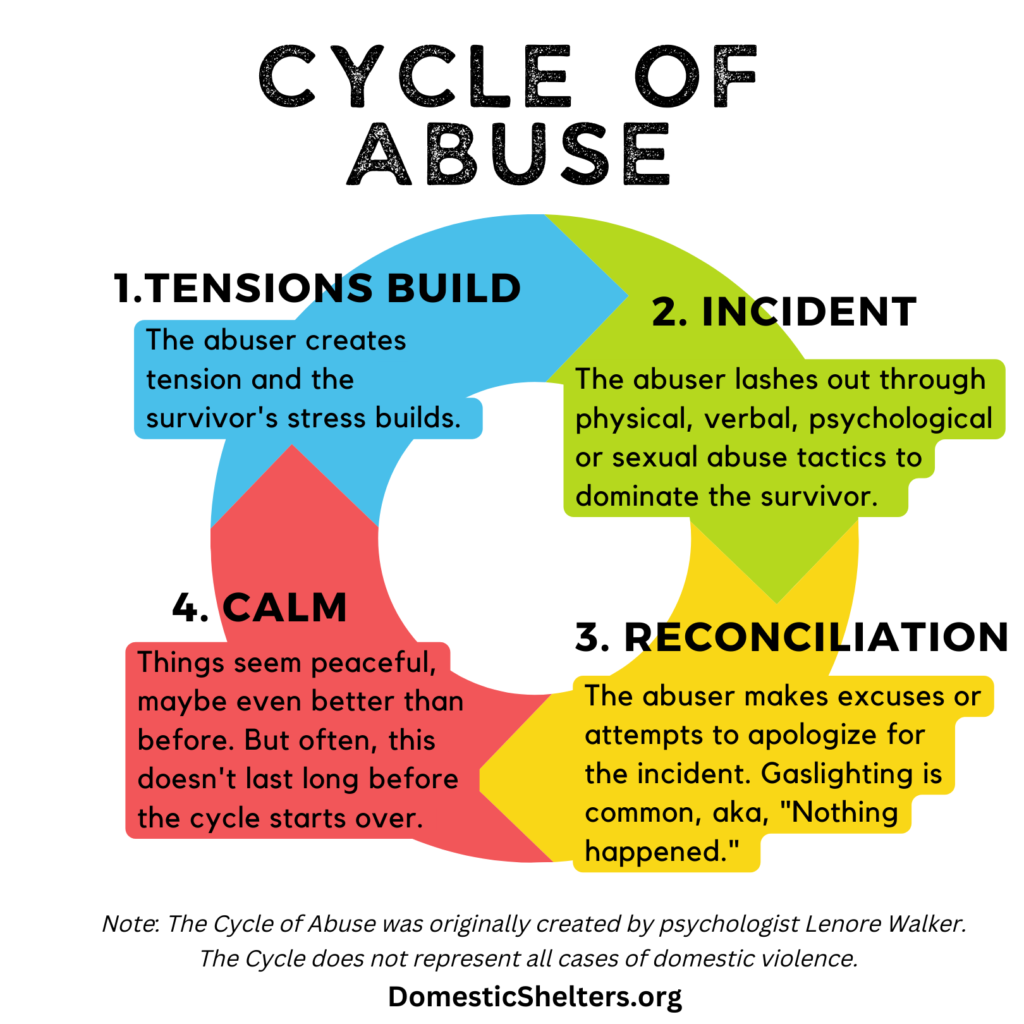
What often followed Sarah’s withdrawal was not repair, but charm—politeness, warmth, attentiveness. Enough softness to draw her back in, without accountability or lasting change.
The cycle repeated:
- Connection
- Misattribution
- Withdrawal
- Accusation
- Charm
- Return
Hope was reignited without resolution. The pattern reset without repentance.
Moral Authority Without Humility
Robert frequently positioned himself as the arbiter of what was proper, respectful, or acceptable. Standards shifted without notice and were enforced without grace. Correction was constant. Compassion was conditional.
When Sarah disagreed or defended herself, this was framed as pride or an inability to admit wrongdoing. In this relational system, humility meant agreement.
Disagreement meant guilt.
The Spiritual Framing of Control
Spiritual language often reinforced the imbalance. Scripture was invoked to correct rather than comfort. Forgiveness was demanded without repair. Grace was emphasized—but only in one direction.
Sarah was expected to absorb accusation while extending mercy, yet received little compassion in return
“Love is not abusive. When abuse enters a relationship, love leaves.”
— Leslie Vernick, The Emotionally Destructive Relationship
Abuse is not defined by intention or struggle—but by pattern and impact.
When Discernment Replaces Hope
Sarah’s clarity did not arrive through confrontation, but through observation. Each return was followed by the same pattern. Each distance was mischaracterized.
She was not running away.
She was responding normally to a system that continually rewrote her reality.
God does not silence His children.
He does not accuse them into submission.
And He does not require endurance when it costs truth, dignity, or voice.
Sometimes distance is not abandonment.
It is discernment.
If you’d like to be notified when new reflections are shared, you’re welcome to leave your email here.
- Leslie Vernick – The Emotionally Destructive Relationship
https://leslievernick.com/the-emotionally-destructive-relationship/ - Psychology Today – Gaslighting & Emotional Abuse
https://www.psychologytoday.com/us/basics/gaslighting - The Bible Project – Wisdom & Discernment
https://bibleproject.com/explore/theme/wisdom/ - The Bible Project – Wisdom & Discernment
https://bibleproject.com/explore/theme/wisdom/